Nine Pins, No Mercy: The Back-Room Leagues Keeping South West Pubs Buzzing
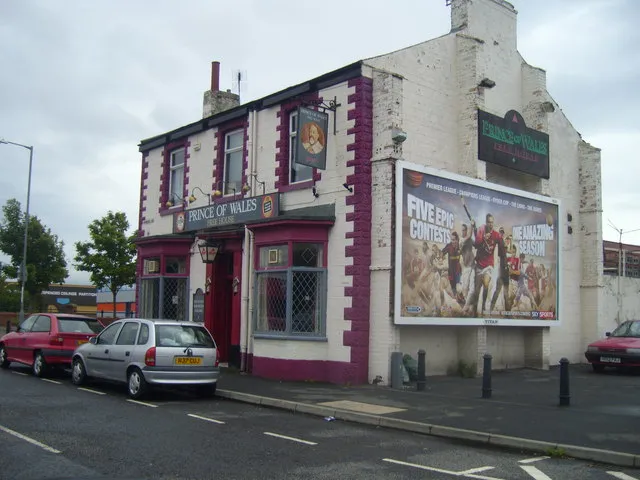
Photo: Ian Barton, CC BY-SA 2.0, via Wikimedia Commons
There is a particular sound a West Country pub makes on a Thursday in November. It is not the football commentary, and it is not the fruit machine. It is the flat crack of a hardwood ball hitting nine skittles, followed by a brief, polite silence while somebody counts, and then the sort of cheer that suggests a village rivalry has just been settled for another week.
Pub sport is the quiet engine of the South West winter. While the coast empties and the lanes go dark by half four, back rooms from Somerset to Cornwall fill up with teams, scorecards and Thermos flasks of something warming. The leagues are not glossy. They do not have VAR. But they have history, they have away legs, and they have a way of turning a quiet midweek pint into a fixture you actually care about.
Skittles: the alley is the arena
West Country skittles — sometimes alley skittles, sometimes nine-pin — is the region’s signature pub game. The setup is simple: a long, narrow alley behind or beside the pub, nine pins at the far end, and a heavy cheese-shaped ball that you roll rather than bowl. Three balls per turn. The pins go down, the score goes up, and the argument about whether the front pin was actually wobbling begins immediately.
The leagues are fiercely local. You will find them around Bridgwater, Taunton, Yeovil and Frome, in north Devon villages and in the small towns of Dorset. Team sizes vary — often six or eight players — and the season runs through the darker months, which is no coincidence. A skittle alley is a good reason to leave the house when the sofa is winning.
The away match is where the culture lives. You turn up at a pub you have never been in, find the alley through a door marked “private”, and spend two hours being quietly judged on your follow-through. The home team provides supper — sandwiches, chips, something in a dish — and the raffle is taken very seriously. If you are new to the area, this is one of the fastest ways to meet people who will remember your name by the second fixture.
Bar billiards: the quietest ruthless game in the West
Cornwall and Devon have long kept the bar billiards flame. The table looks like a miniature snooker table but plays by its own rules: a red ball, a cluster of white balls, wooden mushrooms that punish wild shots, and a clock mechanism that eats your time if you are too cautious. It rewards soft hands and patience. It punishes showing off.
You will find league nights in St Austell, Bodmin, Plymouth and a scatter of market towns, usually in the sort of pub where the table has its own light and the landlord knows exactly who last chalked the cue. Bar billiards tables are a dying breed nationally, which makes the leagues that keep them oiled feel quietly important. They are not museums, though. The standard is good, the needle is real, and a close game can silence a room.
For newcomers, bar billiards is the easiest of the pub sports to try and the hardest to play well. Ask behind the bar whether the table is free on a league night, watch a frame, and accept the offer of a lesson. Nobody minds a beginner. They mind a beginner who slams the cue into the mushrooms.
Cribbage and darts: the corner-table economy
Not every pub has an alley or a billiards table. Almost every pub has a dartboard and a crib board behind the bar. Darts leagues are the loudest expression of winter pub sport: teams of six or seven, a chalkboard, a pint shelf and the particular tension of a deciding leg. Cribbage is the opposite. Pairs cribbage leagues run in Wiltshire, Gloucestershire and across the region’s quieter pubs, and the game itself is a study in restraint. You peg as you go. Nobody speaks until the pegs move.
Both games are good entry points because they need no special equipment and no booking. A crib board and a pack of cards are usually available if you ask. Darts teams are often short of a player, especially in January when the novelty of winter has worn off and the regulars have gone into hibernation.
The third half: etiquette, away days and the points that matter
What separates pub leagues from formal sport is the third half. After the match, there is food, a raffle, a bit of analysis and a lot of talking. Home teams are expected to feed the visitors. Fines for being late, missing a fixture or dropping a easy skittle are common and usually go to the pub’s chosen charity or the team fund. It is not precious. It is not professional. But it is the reason these leagues survive.
If you want to join a side for the 2026–27 season, the season is already under way, but that is not a closed door. Teams lose players to work, weather and January. Ask the landlord if there is a skittle or darts team, or look for the league secretary’s number on the noticeboard. Turn up to watch one match. Offer to make up numbers in a friendly. Reliability matters more than talent. The best pub sport teams are not the ones with the best players; they are the ones who can field a full side on a wet Tuesday in February.
How to get a game before winter bites
Start with the pub nearest to you that has a skittle alley, a bar billiards table or a dartboard that is not hidden behind a Christmas tree. Ask behind the bar. Watch a league night. Say you are keen and available. The South West is full of leagues that would rather have an enthusiastic newcomer than a fixture conceded.
The trophies are usually cups that have been won before, polished by someone’s nan. The prize is not the silverware. It is the Tuesday. It is the away leg. It is the moment the last skittle falls and the whole pub leans in to count.