Pip, Pip, Hooray: The Small Orchards Putting Flavour Back Into South West Cider
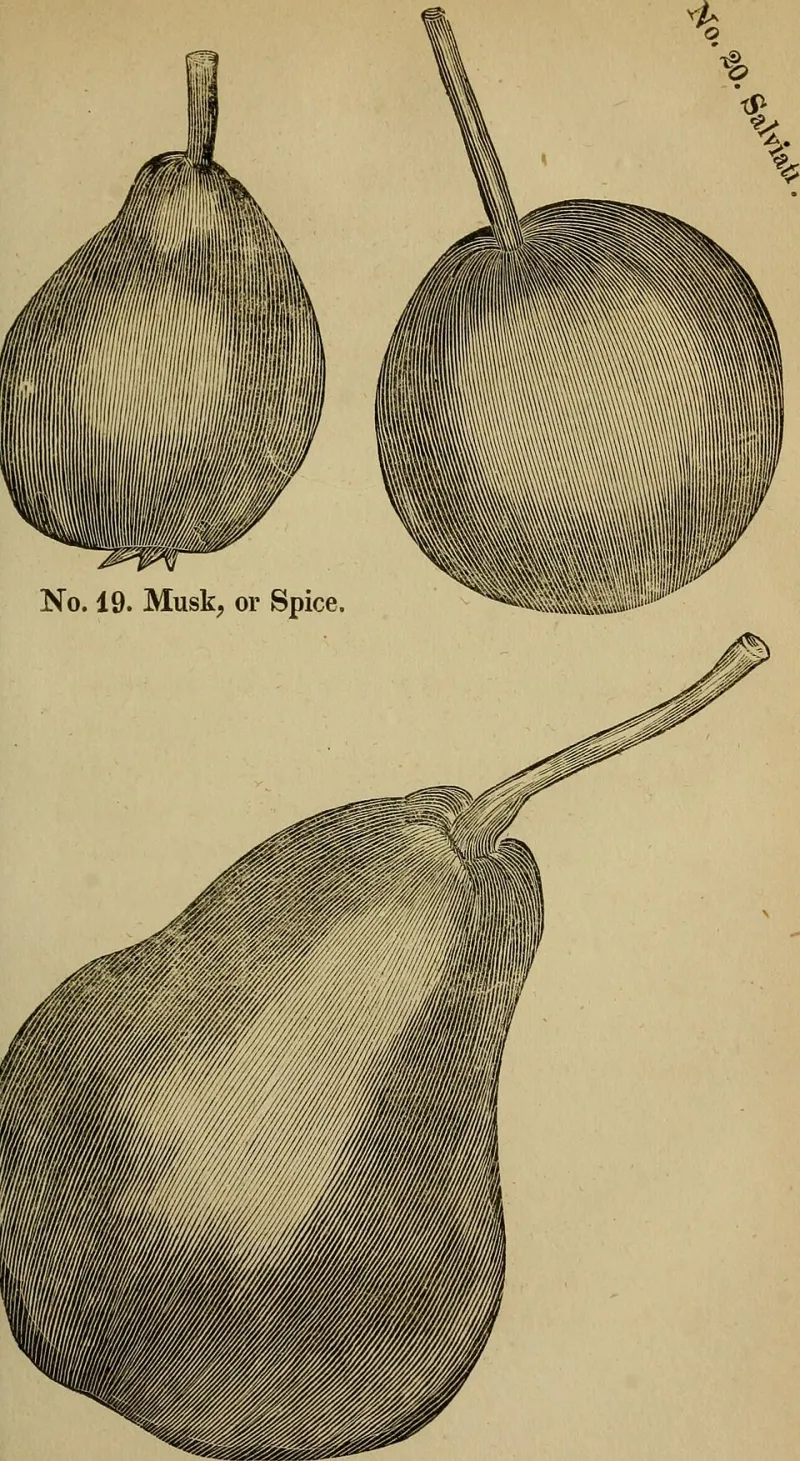
Photo: Coxe, William, 1762-1831. [from old catalog], No restrictions, via Wikimedia Commons
On a grey November afternoon in 2026, the cider barns of Somerset, Devon and Cornwall are doing what they do every year: pressing, blending, tasting, worrying and hoping. The harvest has been brought in. The apples have been milled. Now comes the slow part – fermentation, patience and the annual gamble that the flavours in the tank will turn out as good as the fruit promised.
For a long time, the story of British cider was a story of scale. Supermarket brands leaned on concentrate, added sweetness and consistency. Traditional orchards were grubbed up or left to go mossy. But in the South West, something quieter has been happening. Small orchards are being replanted, old varieties are being coaxed back into production and drinkers are being asked to taste cider as they would taste wine or beer: for place, apple and method.
After the harvest, the real work begins
Traditional orchards are not tidy. They are grazed, gnarled and full of wildlife, with trees spaced widely enough to let grass and wildflowers in. Many of the small growers driving the current revival are not trying to recreate a museum piece. They are trying to make orchards pay their way again, without turning them into monocultures.
The cider that comes out of these orchards is often drier than the mass-market stuff. It may be wild-fermented, keeved or aged in oak. It may be sold in small batches, in bottles that ask you to pay attention. And it may taste of tannin, acid and apple skin rather than sugar syrup. That is not a niche affectation; it is what cider was before industrial blending flattened it out.
Why small orchards are betting on flavour
Volume cider is a difficult business for small producers. Supermarkets want consistency, long shelf life and a price point that leaves little room for hand-picked fruit. So many small makers have gone the other way. They are betting on flavour, traceability and the story of the orchard.
That means using bittersweet and bittersharp apples, blending for structure and letting fermentation do more of the talking. It means low-intervention approaches, though not necessarily a single house style: some makers lean into bone-dry, tannic ciders; others make softer, fruit-forward bottles or lightly sparkling pet-nat-style ciders. The common thread is that the apple is allowed to taste of something.
This is also good news for rural pubs. A pub that stocks a local cider from a nearby orchard can offer something a supermarket cannot: a drink with a postcode, a grower and a reason to come back. In 2026, that feels less like nostalgia and more like smart local economics.
The apple varieties worth knowing
If you want to understand the revival, start with the fruit. Cider apples are not the same as dessert apples. They are classified by tannin and acidity, and the best blends use both.
Kingston Black is the famous bittersharp – sharp, aromatic and capable of giving a cider real bite. Dabinett and Yarlington Mill are bittersweets, bringing body and soft tannin. Foxwhelp is another sharp, old variety with a reputation for intensity. Michelin is a milder bittersweet, useful in blends. Cornish Gilliflower is an old apple with a loyal following in the far South West, and it shows how regional identity survives in orchard rows.
You do not need to memorise the list. But if you see a single-variety cider made from Kingston Black or Dabinett, it is a good sign that the maker wants you to taste the fruit, not just the alcohol.
A beginner’s tasting route through the region
Somerset is the obvious starting point. Around Burrow Hill and the orchards near Sheppy’s, cider is part of the landscape, and farm shops and taprooms often let you taste before you buy. In Devon, Sandford Orchards has helped put mid-Devon cider on the map, while smaller makers sell at farmers’ markets and food festivals across the county. Cornwall has its own tradition, with Cornish Orchards and Healey’s offering a gateway for visitors who want to see how cider sits alongside the county’s food and farming story.
Call ahead before making a special trip, especially outside the main season. Many taprooms have limited winter hours. And if you are driving, treat it like a vineyard visit: spit, share and appoint a designated driver. The point is flavour, not volume.
The pub, the wassail and the next generation
The revival is not only happening in bottles. It is happening in pubs, village halls and orchards. Apple days in October have become a fixture in many communities, and wassailing – the old tradition of singing to the trees in January – has been revived by orchards and community groups across the region. These events are part social, part agricultural and part excuse to stand in a cold orchard with a warm drink.
Young makers are part of this too. Some come from farming families; others have moved into cider after careers in beer, wine or hospitality. What they share is a willingness to work with small quantities, odd varieties and the unpredictability of wild fermentation. It is not an easy living, but it is a way of making a place feel connected to what grows there.
How to drink it well
Start dry. If you normally drink sweet cider, try a medium-dry or dry bottle from a small maker and give it a chance. Serve it lightly chilled – not ice-cold – so the aromas can open up. Use a wine glass rather than a pint if you want to taste it properly. Look for tannin on the finish, acidity in the middle and apple character throughout.
Food-wise, cider is a natural with mature cheddar, roast pork, apples, root vegetables and anything with a bit of salt and fat. It also works with fish and chips, which is a useful fact to keep in your back pocket.
What happens next
The South West cider revival will not be decided in a boardroom. It will be decided in orchards, taprooms and pubs, by whether enough people buy the dry, characterful stuff to make it worth planting more trees. In 2026, the signs are good. Small makers are finding audiences, pubs are finding local suppliers and drinkers are finding that cider can be as varied as beer or wine. The next time you see a bottle with an orchard name on the label, give it a go. That is how a revival becomes a habit.