The Best Seat Is Nearest the Flames: Ten South West Pubs With a Hearth Worth Hurrying For
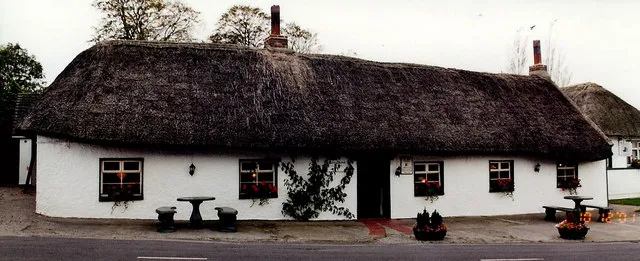
Photo: Joseph Mischyshyn, CC BY-SA 2.0, via Wikimedia Commons
There are pubs with a fire, and there are pubs where the fire is the point. You know the difference the moment you push the door. In the first, a radiator is doing most of the work and the grate is a decorative afterthought. In the second, the room has arranged itself around the flames: chairs angled in, dogs stretched out, a log basket that looks like it has been packed by someone who takes the job seriously.
Across the South West, that second sort of pub is having a moment. As the nights draw in and the coast path gets muddier, the hearth becomes the social conductor. It decides who talks to whom, which corner goes quiet, and how long a pint is allowed to last. From Dartmoor to the Roseland, here are ten locals where the fire is not a feature but the host.
The unwritten rules of the hearth
Every fire pub has its own etiquette, and regulars guard it politely. Don't block the grate. Don't open the door and let the draught go straight across the flames. Do ask if you can add a log — most landlords would rather you asked than helped yourself. Dogs are usually welcome near the fire but not on the good bench, and wet coats belong on the hook, not the fender.
Fire-lighting times are less fixed than they look. A landlord will often light up earlier in a cold snap, later if the sun has done the work. Weather, staffing and the first customer through the door all play a part. Ring ahead if you are making a journey for a particular seat by the flames. And if the fire is already roaring when you arrive, say thank you. Someone got there before you.
Ten fires worth a detour
The Rugglestone Inn, Widecombe-in-the-Moor, Dartmoor — The fire here is lit early on cold mornings, often before the first walkers have shaken the mud from their boots. Low beams, flagstones and a proper log stack make it a Dartmoor institution. Dogs settle in the corner; boots stay by the door.
The Tinner's Arms, Zennor, Cornwall — A coast-path pub where the fire is usually going by opening time in winter. The bar is small, the welcome is dry and the logs are seasoned. Arrive after a walk from the cliffs and the heat hits you before the ale does.
The Pandora Inn, Restronguet, Cornwall — Waterside, thatched and built for lingering. The fire in the snug is the prize seat, especially when the tide is up and the windows are streaming. Dogs are welcome in the bar, and the log basket is rarely empty.
The Square & Compass, Worth Matravers, Dorset — Fossil-heavy walls, no-nonsense cider and a back-room fire that turns a quick pint into an afternoon. The landlord keeps the wood stacked high and the conversation low. Walkers, climbers and locals share the same warm fug.
The Ship Inn, Mousehole, Cornwall — A harbour pub that knows exactly what winter is for. The fire is lit by early afternoon on damp days, and the snug becomes the warmest room in the village. Ask behind the bar about the best dog-friendly corner.
The Bridge Inn, Topsham, Devon — A proper riverside local where the fire is often going by mid-afternoon. The bar is busy with commuters and dog walkers, but the hearth still holds court. Logs are stacked beside the grate and the welcome is unshowy.
The Royal Oak, Winsford, Exmoor — An inglenook fireplace, a village green outside and a landlord who treats fire-lighting as part of the day's work. Walkers come in wet, leave dry and stay longer than planned. Dogs are part of the furniture.
The Castle Inn, Lydford, Devon — On the edge of Dartmoor, this is a fire for after the gorge walk. The bar is cosy without being cramped, and the grate is usually glowing by late afternoon. Muddy boots are tolerated; muddy dogs are welcomed.
The Eliot Arms, St Germans, Cornwall — A community pub with a fire that acts as the village noticeboard. Lighting time depends on the weather, but the log basket is always full and the locals will shuffle up. Good for a quiet pint and a long thaw.
The Roseland Inn, Philleigh, Cornwall — Thatched, tucked away and built for winter. The fire in the main bar is lit early on cold days, and the smell of woodsmoke meets you in the lane. Dogs, walkers and families all find a spot.
How to do the fire justice
Order something warm, take a book you won't read and let the afternoon go. The best fire pubs are not efficient. They are places where the pint lasts longer than it should because moving means letting the cold back in. If you get the seat nearest the flames, enjoy it — but don't hog it all night. The whole point of a hearth is that it is shared.
The last log
A good pub fire is a small act of community. Someone orders the logs, someone stacks them, someone lights it before the first customer arrives. The rest of us just benefit. This winter, find a pub where the fire is tended like it matters. Sit down. Stay a while. And when you leave, close the door properly behind you.