Slack Water Society: Ten South West Harbours Where the Sea Sets the Schedule
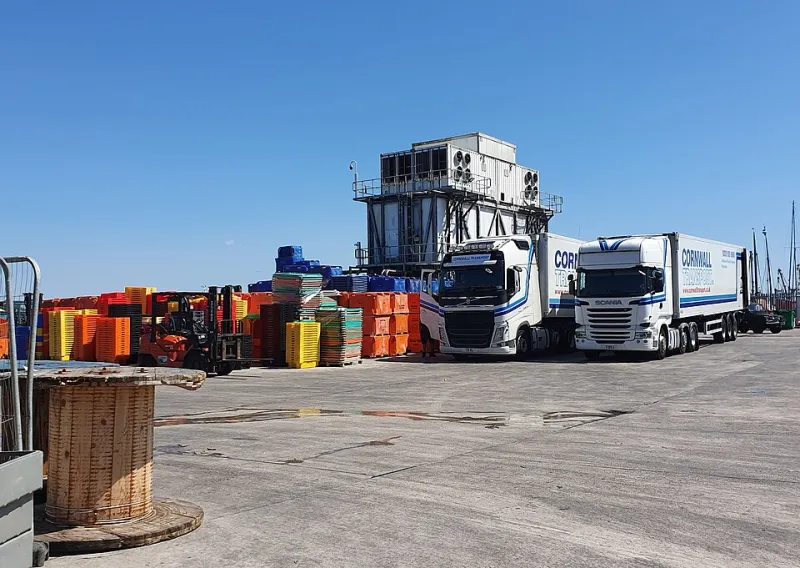
Photo: Mutney, CC BY-SA 4.0, via Wikimedia Commons
There is a particular kind of South West shrug that says more than any timetable. Ask when the ferry goes, when the fish market opens, or when the harbour wall is safe to walk, and you may get a look, a pause, and then: ‘Depends on the tide.’ In November 2026, with big winter tides and short daylight, that is not vagueness. It is a different way of keeping time.
Harbour towns do not run late or early so much as full or empty. The water arrives, the work happens, the water leaves, and the chat moves to the pub. If you are visiting this month, the trick is not to cram a harbour into a city schedule. It is to read the tide table like a listings guide and let the sea be the compere.
Here are ten South West harbours where the water clock still rules — and how to work with it.
Newlyn, Cornwall — the market before the morning
Newlyn is a working port first and a pretty postcard second. The fish market and the fleet answer to landing times and tides, not to a leisurely brunch. On a big morning tide, the harbour can feel like a stage change: boats shifting, boxes moving, gulls arguing over the spoils. Come too late and you have missed the theatre.
Practical advice: check high water before you plan breakfast. The harbour front is best experienced early, when the day smells of diesel, salt and something fresh off the ice. One local skipper puts it simply: ‘You don’t tell the tide you’ll be there at ten. You ask the tide what time ten is.’
Mousehole, Cornwall — a harbour that fills and empties
Mousehole’s tiny harbour is a brilliant illustration of tidal life. At low water, the sand and slipway appear and the village seems to breathe out. At high water, the walls hold a neat rectangle of sea and the whole place feels tucked in.
Time your walk for the hour either side of slack water if you want the easiest amble around the harbour edge. In winter, the pub is the natural waiting room. Get in before the light goes, order something warm, and watch the water do its thing.
St Ives, Cornwall — when the beach is the route
St Ives has a way of turning a simple stroll into a tidal puzzle. The harbour, the beaches and the back lanes all shift character with the water. Winter is when locals reclaim the place, and the tide table becomes a useful excuse to linger.
If you are heading for the sand, go on a dropping tide and keep one eye on the returning water. The same goes for harbour-wall photos: high water gives you reflections and drama, low water gives you rock, rope and the working bits of the town.
Porthleven, Cornwall — the harbour that wears the weather
Porthleven is not subtle when the sea is up. The harbour takes the weather head-on, and on big tides the waves become the main event. That is part of its charm, but it is also a reminder that the water clock comes with a safety warning.
Stand back, watch the harbour wall from a sensible distance, and save the close-up photography for calmer slots. The pubs and cafés do a fine line in storm-watching from behind glass. As one regular says: ‘You come for the harbour, but you stay because the tide gave you permission to do nothing for an hour.’
Fowey, Cornwall — ferries and the five-minute window
Fowey runs on ferries, and the ferries run on the water. The passenger ferry across to Polruan is one of the South West’s great small journeys, but slipways and steps behave differently as the tide rises and falls. Ask at the quay, check the board, and allow a bit of slack — literally and socially.
A good rhythm: arrive mid-tide, cross, walk the Polruan side, and come back before the light fades. If the ferry is waiting for water, that is not a delay. It is the harbour telling you to slow down.
Mevagissey, Cornwall — two harbours, one clock
Mevagissey’s inner and outer harbours give you two different views of the same tidal story. The inner harbour is intimate and packed with boats; the outer walls take the swell. Low water exposes the working bits — chains, ladders, weed — while high water tidies it all away.
Visit on a rising tide for the liveliest harbour wall, or on a falling tide if you want to peer at the boats without the water slapping at your heels. Either way, the town rewards a slow loop rather than a quick photo stop.
Looe, Cornwall — bridge, boat, bakery
Looe is a river town as much as a harbour town, and the tide changes the shape of the place. The bridge is the obvious landmark, but the waterline is the better guide: when the river is low, the quays look open and sandy; when it is high, the town feels closer and busier.
A simple plan: check the tide, walk the quay at slack water, then reward yourself with something from a bakery. In winter, the harbour lights come on early and the water turns inky. That is the cue for a pub, not a sprint.
Brixham, Devon — fish market and the breakwater
Brixham is a proper working harbour, and the fish market sets the pace. The fleet, the ice, the boxes and the buyers all move to their own rhythm, with the tide as the underlying beat. The breakwater is a fine walk, but respect the swell and the slippery bits.
For visitors, the best approach is to be curious but not underfoot. Watch from the public areas, ask before photographing people at work, and time your breakwater stroll for calmer water. The harbour’s message is clear: the sea is not a backdrop, it is the office.
Dartmouth, Devon — the ferry that waits for water
Dartmouth’s lower ferry is one of those South West institutions that makes a crossing feel like a small event. The ramp, the river and the boat all have to agree. When the tide is right, it is smooth and quick; when it is not, you wait.
That wait is part of the pleasure. Use it to look across at Kingswear, watch the river traffic, and recalibrate. Dartmouth rewards people who build in a buffer. The town is full of corners, lanes and quaysides that are better at low tide, high tide and the quiet bit in between.
Appledore, Devon — where the Taw and Torridge argue
Appledore sits where two rivers meet the sea, and the water does not so much arrive as negotiate. The estuary mood changes fast, and the harbour feels different on every tide. Low water reveals the muddy, working edge of the place; high water brings the boats closer and the reflections in.
Walk the quay, look at the boats, and let the tide decide how far you go. In winter, the village is quiet enough to hear the water and the gulls. It is a good place to remember that ‘tidal’ is not a delay — it is a diary.
How to read the water clock
Start with a tide table — harbour offices, local noticeboards and the usual apps all carry them. Look for high water, low water and the hour either side of slack. Then ask a local question rather than making a local assumption: is the ferry running, is the slipway clear, is the market on? In harbour towns, that is not small talk. It is the timetable.
And if you get it wrong, do not fight it. Have a coffee, take a walk, give the sea twenty minutes. The South West’s harbours are not trying to be difficult. They are simply running on the oldest clock we have.