Lanterns Over Lasers: The South West Towns Quietly Rewiring Christmas in 2026
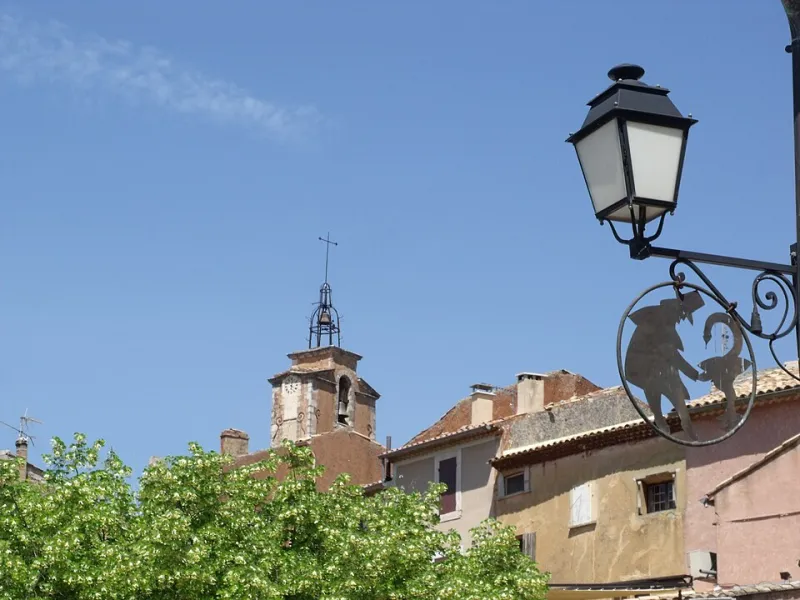
Photo: Elliott Brown from Birmingham, United Kingdom, CC BY 2.0, via Wikimedia Commons
On the second Friday of December, a Somerset high street will go dark at six o'clock, and around four hundred people will hold up paper lanterns instead.
There will be a brass band, badly amplified. There will be a scout group who have been rehearsing a walk for weeks. There will be a mulled apple juice stand raising money for the village hall roof, and a shop window trail with a dozen hand-drawn clues that nobody under eight can resist. What there will not be is a celebrity, a cherry picker, or a bill for eleven thousand pounds.
The town is far from alone. Across the South West this winter, a quiet re-engineering of the Christmas calendar is under way — and it has far less to do with saving money than you might assume.
The numbers that changed the argument
The old model went something like this: a council or a business improvement district finds a budget, hires a contractor, strings the lights in November, books a local radio presenter for the switch-on, and hopes the weather holds. For a while it worked. Then the quotes started climbing.
The costs that organisers talk about are not just the lights themselves. It is the access equipment, the insurance, the traffic management order, the road closure, the stewarding for a crowd that arrives all at once at 5.45pm and leaves all at once at 6.15pm. It is the January electricity bill, and the February conversation about whether the display could be made a bit smaller next time.
"We worked out we were spending a five-figure sum on a fifteen-minute moment," says one town clerk in Wiltshire, who asked not to be named while her committee finalises this year's plan. "And the actual street had never looked less Christmassy. Everyone was looking at the switch, not at each other."
What replaces the switch-on
Three formats are turning up again and again, and they share a characteristic: they spread the celebration across weeks rather than compressing it into a single evening.
The lantern walk. Residents make lanterns at free workshops in November — willow, tissue paper, a battery tealight, nothing that needs a risk assessment longer than a page. The walk itself is unticketed, often unannounced beyond a poster in the post office, and finishes somewhere with a fire pit.
The window trail. Indie shops, schools, libraries and people who just happen to have a nice front room put a lit display in the window, and the town walks round it over a fortnight. Cost: whatever you want it to be. Footfall: spread thin and useful, which is exactly what traders say they need.
The slow evening. Late openings with choirs on corners rather than a stage, a living advent calendar of one garden lit each night, a bring-and-share tea in the church, a wreath-making session in the pub.
Why the crowds turn up
Here is the counterintuitive bit. The low-key events are not smaller. In several towns, the lantern walk now attracts more people across its duration than the switch-on ever did in its fifteen minutes — and a far higher share of them are locals rather than visitors from three postcodes away looking for parking.
Part of it is that nobody has to be somewhere at a specific time. Families with small children come early. People who find crowds difficult come late. Older residents who stopped braving the switch-on years ago walk the trail in the afternoon, when the windows still look lovely against a grey sky.
"We stopped asking people to stand in a road and be entertained," says a Bridport volunteer who has helped run a lantern procession for several winters. "Now we ask them to make something, bring it, and walk. That's a completely different ask, and people say yes to it."
The grumbles, honestly
It is not a universally popular shift. There is a genuine and reasonable complaint that replaced approaches can feel like a retreat — that a town which can't manage a decent tree has given up on itself. Some traders worry that a window trail doesn't pull in the coach parties that a big switch-on did. And nobody pretends that a handmade celebration is free: the workshops need materials, the stewards need insurance, and there is always one committee member quietly terrified about the fire risk of four hundred paper lanterns.
The honest answer from organisers is that the money didn't vanish. It moved — from a contractor's invoice to a community hall's grant, from a generator to a printing budget for the trail maps, from one spectacular evening to three weeks of small things that somebody local made.
Why it sticks anyway
Ask people what they remember about Christmas in their town and they rarely describe the lights. They describe the year it snowed during the walk, the choir that did a punk cover, the window with the ridiculous knitted robin, the thermos somebody shared at the end.
Which is the quiet argument underneath all of this: a Christmas calendar that asks for your presence rather than your money tends to be remembered. It also tends to be repeated, and that repetition is what turns an event into a ritual.
So if your town's switch-on has shrunk this year, or become a walk, or turned into a fortnight of lit windows and late-opening shops, go along and find out what it has become. Take a lantern. Take a flask. Take a fiver for the roof fund. And take the long way home.
Stuck for where to start? Most lantern workshops are advertised on parish noticeboards and library screens before they appear anywhere online — and they fill up. Book early, or turn up and offer to help. The people running these nights have never once turned down an extra pair of hands.