Cold, Bright and Connected: Inside the South West’s Winter Swimming Scene
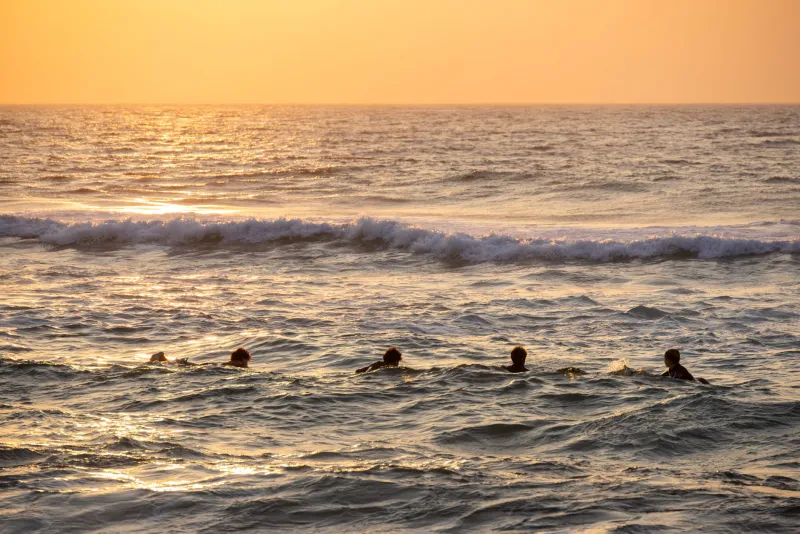
On a grey December morning in Penzance, a cluster of bobble hats and dryrobes gathers by the harbour. The Blue Tits are about to do what they do every week: walk into cold water, make a noise, laugh, and walk back out again. It looks eccentric from the promenade. Up close, it looks like a community.
The South West has become a cold-water swimming heartland. From the Blue Tits in Penzance to the Tidal Turtles in Dorset, groups have multiplied along the coast and inland lakes. Some are informal WhatsApp crews; others have waiting lists and induction sessions. All of them are built on the same basic bargain: the water is freezing, the company is warm, and the afterwards is worth it.
A cold shock to the system — and a lift to the mood
Cold-water swimmers talk about the gasp, the rush and the strange euphoria that follows. There is science behind the chatter. Plunging into cold water triggers a stress response, then a release of mood-lifting chemicals. Many swimmers say it helps with anxiety, low mood and the general flatness of winter. It is not a cure for anything, and it is not risk-free, but the anecdotal evidence is hard to ignore.
“It’s the one hour a week when I can’t think about emails or bills,” one organiser says. “You can’t multitask when you’re that cold. You just have to be there.” That enforced presentness is part of the appeal. So is the routine: the same beach, the same faces, the same flask of tea on the same bench.
More than a dip
The social side is not a side effect. For many members, it is the main event. Winter swimming groups tend to be fiercely unglamorous: no wetsuits required, no performance targets, no judgement about speed or shape. People turn up for the company as much as the cold. Birthdays are marked with cake. New members are buddied up. Someone always has a spare towel.
That matters in a region where rural isolation and seasonal work can make winter feel long. The Blue Tits and the Tidal Turtles are not just swimming clubs; they are low-key support networks with a sea view. The chatter on the beach is as important as the dip itself.
The safety conversation
Organisers are keen to stress that cold water is not a novelty. Cold shock can make you gasp and panic. The tide does not care about your schedule. The group leaders we spoke to all emphasised the same basics: never swim alone, check the weather and tides, enter slowly, keep it short, and get warm afterwards. If you have a heart condition, are pregnant or have an underlying health issue, talk to a GP first.
Most groups have risk assessments and experienced members who watch newcomers. They also know when to call it off. “There’s no shame in a car park chat and a coffee instead,” one Dorset organiser says. “The sea will still be there next week.”
How to join in this winter
If you fancy trying it, start local. Many groups have Facebook pages or contact forms, and some run beginner sessions. You do not need fancy kit — a swimming costume, towels, warm layers and a flask will do. A changing robe helps. So does humility. Nobody expects you to swim lengths on your first go. A minute in the water is a win.
The South West’s coastline is not just scenery. In winter, it becomes a shared cold plunge, a meeting place and a reminder that the best cure for a grey day is often other people. Just bring a towel. And maybe a cake.